Sensory & Neurodiversity Products Distribution in Canada
Inclusia Brands evaluates innovative sensory and neurodiversity-support products for the Canadian market.
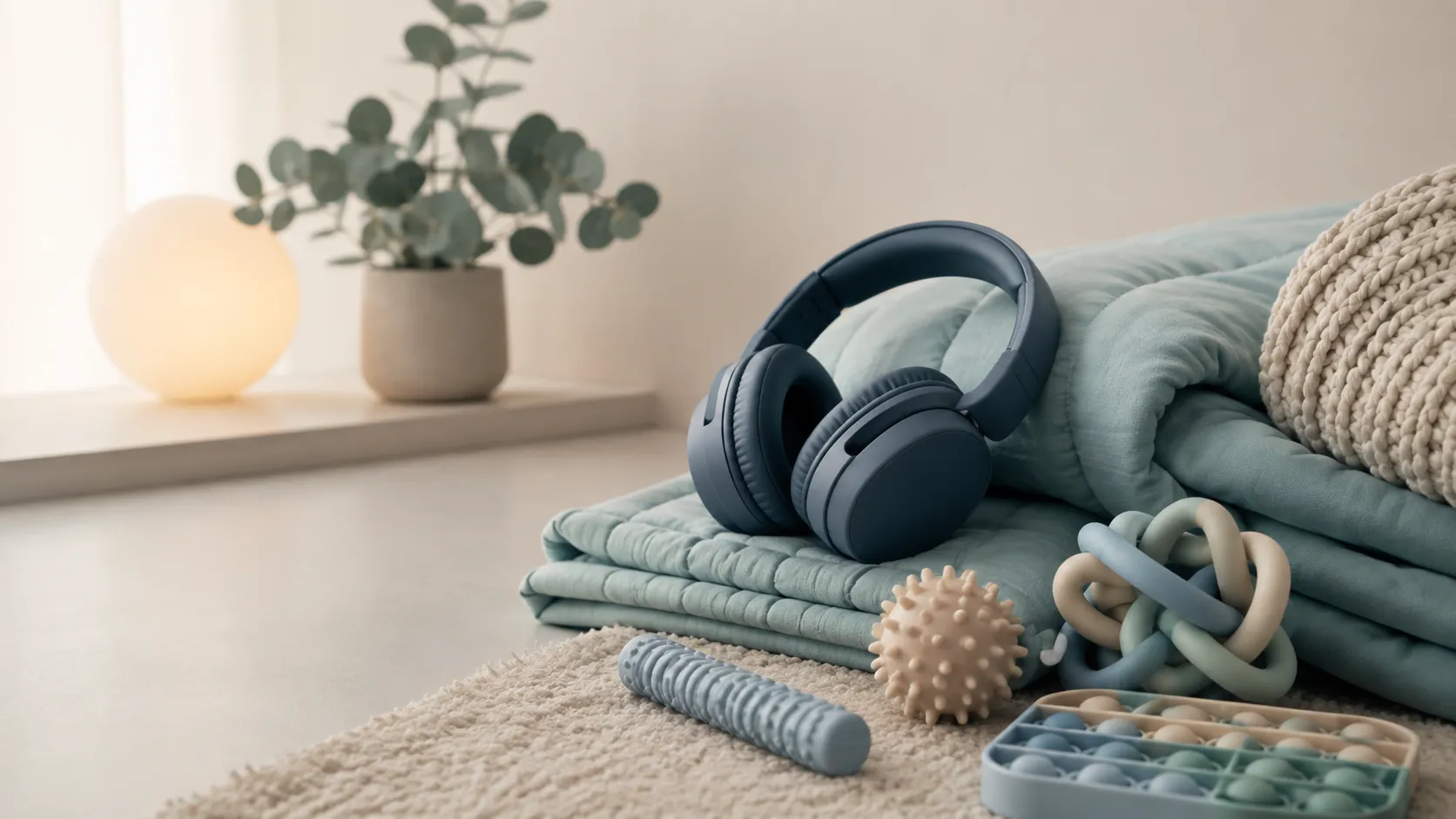
Category Overview
Sensory and neurodiversity-support products can help autistic people, people with ADHD and others manage sensory input, focus, transitions, routines, comfort or participation in daily environments. Buyers can include individuals, families, occupational therapists, educators, schools, clinics, workplaces and organizations seeking more accessible spaces.
Inclusia Brands evaluates products that have a clear use case and avoid exaggerated claims about changing or normalizing neurodivergent people. Commercial credibility in this category depends on respectful positioning, practical evidence, transparent product limitations and language that supports user choice.
Manufacturers should also recognize that the same product may be purchased for home, school, therapy or community use, with different decision-makers in each setting. Canadian market entry therefore benefits from channel-specific education and careful claims rather than a single consumer message applied everywhere.
Solutions Within This Market
Inclusia Brands is interested in sensory and neurodiversity-support products that improve comfort, participation and self-directed regulation across everyday settings. Priority is given to products that respect individual preferences, avoid inflated therapeutic claims and can be explained appropriately to users, families, educators and professionals across Canadian home, school and community settings.
- Sensory regulation tools — products supporting individualized sensory preferences and routines
- Focus and organization aids — tools supporting attention, planning and task flow
- Calming products — practical options for managing environmental or sensory load
- Sensory-friendly furnishings — products designed for home, school or care settings
- Movement and balance tools — equipment supporting active sensory input
- Transition-support products — tools that make routines and changes more predictable
- Accessible classroom tools — products supporting participation in learning environments
- Environmental sensory products — solutions addressing light, sound, touch or space
Canadian Market Signals
The population this category serves is well documented. The Public Health Agency of Canada reports that about 1 in 50 children and youth aged 1 to 17 have been diagnosed with autism, and Statistics Canada's 2022 survey shows mental health-related disabilities rising fastest among youth and working-age adults. Across all Canadians with disabilities, barriers related to communication affect 48% — a signal of how often environments, not people, create the friction.
Demand therefore comes from several distinct buyers at once: families purchasing directly, occupational therapists recommending products, schools evaluating classroom use and community organizations equipping shared accessible spaces. Some provincial programs can support eligible equipment when it connects to defined developmental or therapy goals.
That mix makes product language and documentation especially important. A manufacturer needs to explain who the product is for, what it does and what it does not claim to do — schools and professional buyers require more context than a consumer product page provides. French-language requirements for Quebec should be planned early, not treated as a launch afterthought.
Sources: Public Health Agency of Canada, Canada's Autism Strategy · Statistics Canada, Canadian Survey on Disability, 2022 · Statistics Canada, Barriers to Accessibility, 2022
How This Category Is Bought in Canada
Sensory and neurodiversity-support products are bought by people with very different vantage points. Autistic people and people with ADHD often research options themselves and know precisely what works for them; parents buy for children; therapists recommend within intervention plans; teachers and school boards equip classrooms; organizations outfit accessible community spaces.
The recommender-purchaser split is common: an occupational therapist may suggest a category of product while the family selects the specific item online, or a school may trial an item a parent introduced. Peer recommendation — within neurodivergent communities and parent networks — carries unusual weight compared with conventional consumer categories.
Purchases for shared settings move on different logic than personal ones: durability, cleanability, safety documentation and per-unit cost matter more, and procurement can be seasonal around school-year budgets. Manufacturers that respect user choice and individual preference — rather than promising uniform outcomes — fit how this market actually decides.
Sensory and neurodiversity-support products often move through channels where the recommender and purchaser are not the same person. Messaging should be adapted to each buying context.
- Education — Schools and school boards may evaluate products for classroom participation, sensory environments and learning access.
- Rehabilitation — Occupational therapists can recommend products based on individual sensory preferences, routines and functional goals.
- Ecommerce — Autistic people, people with ADHD and families frequently research products directly and compare use cases before purchasing.
- Specialty retail — Adaptive, educational and sensory-focused retailers can provide discovery and explanation beyond mainstream channels.
- Clinical — Therapy clinics may introduce products when they support participation or a broader intervention plan.
Manufacturer Readiness for Canada
What Matters in Adaptive Footwear Distribution
Inclusia Brands looks for sensory and neurodiversity-focused manufacturers that combine commercial discipline with respectful product positioning.
- The product supports a clearly described need without promising to cure, fix or normalize neurodivergence.
- Language and imagery respect autistic people, people with ADHD and other users.
- The manufacturer can explain appropriate use, limitations and safety considerations clearly.
- The product is suitable for the channel in which it will be recommended or purchased.
- The company welcomes feedback from users, families and professionals when adapting for Canada.
Manufacturers that fit this approach can introduce their product through the partnership inquiry.
Canadian Market Insights
Common questions from manufacturers.
Do sensory products sell differently to homes, schools and therapy settings?
How careful do product claims need to be in the sensory category?
Is there funding support for sensory and neurodiversity products in Canada?
Looking for Adaptive Footwear in Canada?
Explore BILLY Footwear's Canadian range, sizing and current availability.
Have a Complementary Adaptive Product?
Inclusia evaluates selected adaptive, accessibility, rehabilitation and inclusive-living products outside footwear for Canadian distribution partnerships.
Building in this category?
Tell us about your product and we'll determine whether there may be a fit with the Inclusia portfolio and Canadian market.