Aging in Place Products Distribution in Canada
Inclusia Brands helps aging-in-place and senior-independence brands reach Canadian consumers, clinicians and specialty retailers.
Category Overview
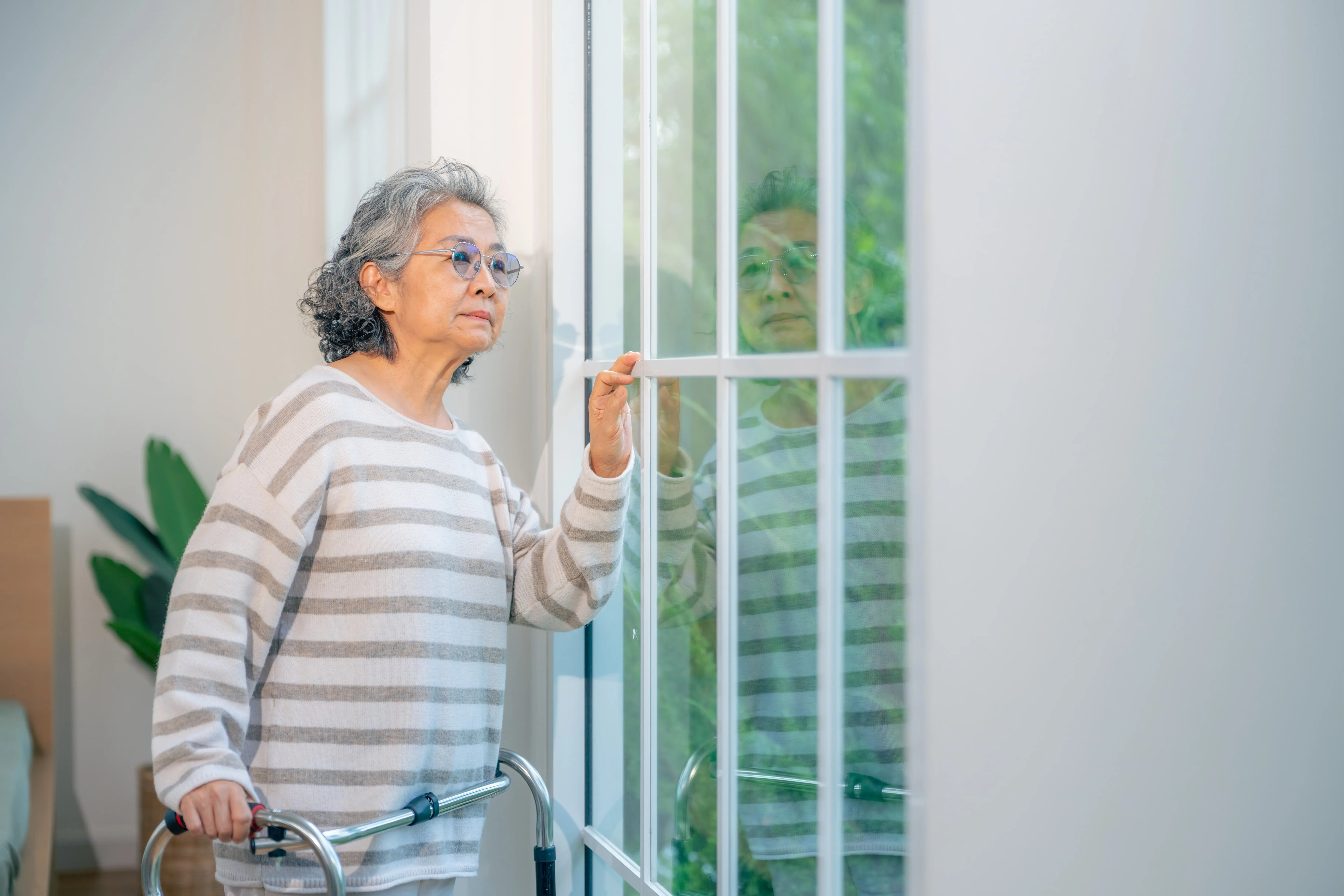
Aging-in-place products help older adults remain safe, independent and comfortable in their own homes and communities. The buyer is not always the user: adult children, occupational therapists, home-care providers and specialty retailers can all influence product selection, particularly when a need becomes visible after a change in mobility, dexterity or daily routine.
Inclusia Brands evaluates products that solve a recognizable home or daily-living problem without making the user feel institutionalized. Design, ease of use, appearance, reliability and simple instructions can matter as much as the underlying function because products are often introduced into ordinary homes rather than clinical environments.
Manufacturers should also distinguish between products that can be self-selected and those that benefit from professional assessment. That distinction affects messaging, distribution, education and whether home-care or rehabilitation relationships are important to the Canadian launch.
Solutions Within This Market
Inclusia Brands is interested in products that support independent living while fitting naturally into the homes and routines of older adults. Priority products should preserve dignity, fit ordinary homes and be simple enough for users, families and professionals to evaluate without turning everyday independence into an unnecessarily clinical experience.
- Home-safety products — practical tools reducing common household barriers
- Easy-use household products — designs requiring less strength or dexterity
- Bathing and personal-care aids — products supporting safer daily routines
- Reaching and handling tools — aids for common home activities
- Medication and routine supports — products helping organize recurring daily tasks
- Home-accessibility accessories — products improving practical access within living spaces
- Travel and community aids — portable products supporting independence outside the home
- Caregiver-support products — tools simplifying recurring assistance without overcomplicating care
Canadian Market Signals
The demographic signal here is the strongest in the adaptive space. Statistics Canada reports that 40% of Canadians aged 65 and over live with at least one disability, with the most common types among seniors being pain-related (68%), mobility (63%) and flexibility (59%). Nearly half of seniors with disabilities — 42% — manage four or more co-occurring disability types.
Home adaptation is already normal behaviour: 52% of Canadians with a mobility disability use adapted features within their home, led by bathroom aids at 38%. Products supporting safety and independence at home enter an established pattern of purchasing rather than an unfamiliar one.
The route to purchase varies: an older adult may buy directly, an adult child may research on their behalf, or an occupational therapist may identify needs during a home assessment. The Canadian launch should not rely on a single senior-focused retail message — products need to speak to users while giving families and professionals enough information to judge fit, safety and practical value.
Sources: Statistics Canada, Profile of Persons with Disabilities, 2022 · Statistics Canada, Disability Rate in Canada, 2022 · Statistics Canada, Mobility Disabilities, 2022
How This Category Is Bought in Canada
Aging-in-place purchases in Canada are usually triggered by a moment — a fall, a hospital discharge, a change in mobility or dexterity, or a family member noticing a routine has become harder. Discovery then runs along two tracks at once: the older adult's own preferences and an adult child's research, often conducted from another city.
Occupational therapists conducting home assessments, home-care providers and discharge planners introduce products for assessed needs, while specialty home-health retailers offer local, hands-on evaluation. Ecommerce increasingly serves both generations, provided instructions, sizing and returns are clear enough to buy for someone else's home.
The purchase logic is conservative: buyers want products that solve the problem without making the home feel clinical, and they reward brands whose materials help families discuss independence respectfully. Reliability and easy replacement matter disproportionately because these products become part of daily safety routines.
Aging-in-place products require channels that reach older adults directly while also supporting the people who often influence a purchase. Trust and ease of explanation matter across every route.
- Home-care agencies — Providers working in the home can identify recurring barriers and practical equipment needs.
- Rehabilitation — Occupational therapists can assess daily activities and recommend products suited to the home environment.
- Specialty retail — Mobility and home-health retailers provide local product discovery, explanation and hands-on support.
- Ecommerce — Older adults and family members increasingly research practical products directly and value Canadian availability.
- Seniors' residences — Residence teams may identify products that support independence, safety and easier daily routines.
Manufacturer Readiness for Canada
What Matters in Adaptive Footwear Distribution
Inclusia Brands looks for aging-in-place manufacturers that combine useful function with dignified, intuitive design.
- The product solves a recurring home, mobility, dexterity or daily-living problem.
- The benefit can be understood without complicated technical explanation.
- Design and packaging avoid unnecessarily institutional or age-stereotyped presentation.
- The manufacturer can support clear instructions, customer service and replacement needs in Canada.
- The product fits a realistic Canadian path through direct, professional or specialty channels.
If your product helps older adults remain more independent, introduce the company and Canadian opportunity through the partnership inquiry.
Canadian Market Insights
Common questions from manufacturers.
Are aging-in-place products bought by seniors themselves or by their families?
What makes an aging-in-place product succeed or fail with Canadian buyers?
Do home-care professionals influence which products Canadian seniors buy?
Looking for Adaptive Footwear in Canada?
Explore BILLY Footwear's Canadian range, sizing and current availability.
Have a Complementary Adaptive Product?
Inclusia evaluates selected adaptive, accessibility, rehabilitation and inclusive-living products outside footwear for Canadian distribution partnerships.
Building in this category?
Tell us about your product and we'll determine whether there may be a fit with the Inclusia portfolio and Canadian market.