Assistive Technology Distribution in Canada
Inclusia Brands works with innovative assistive technology manufacturers seeking Canadian market access, distribution and long-term growth.
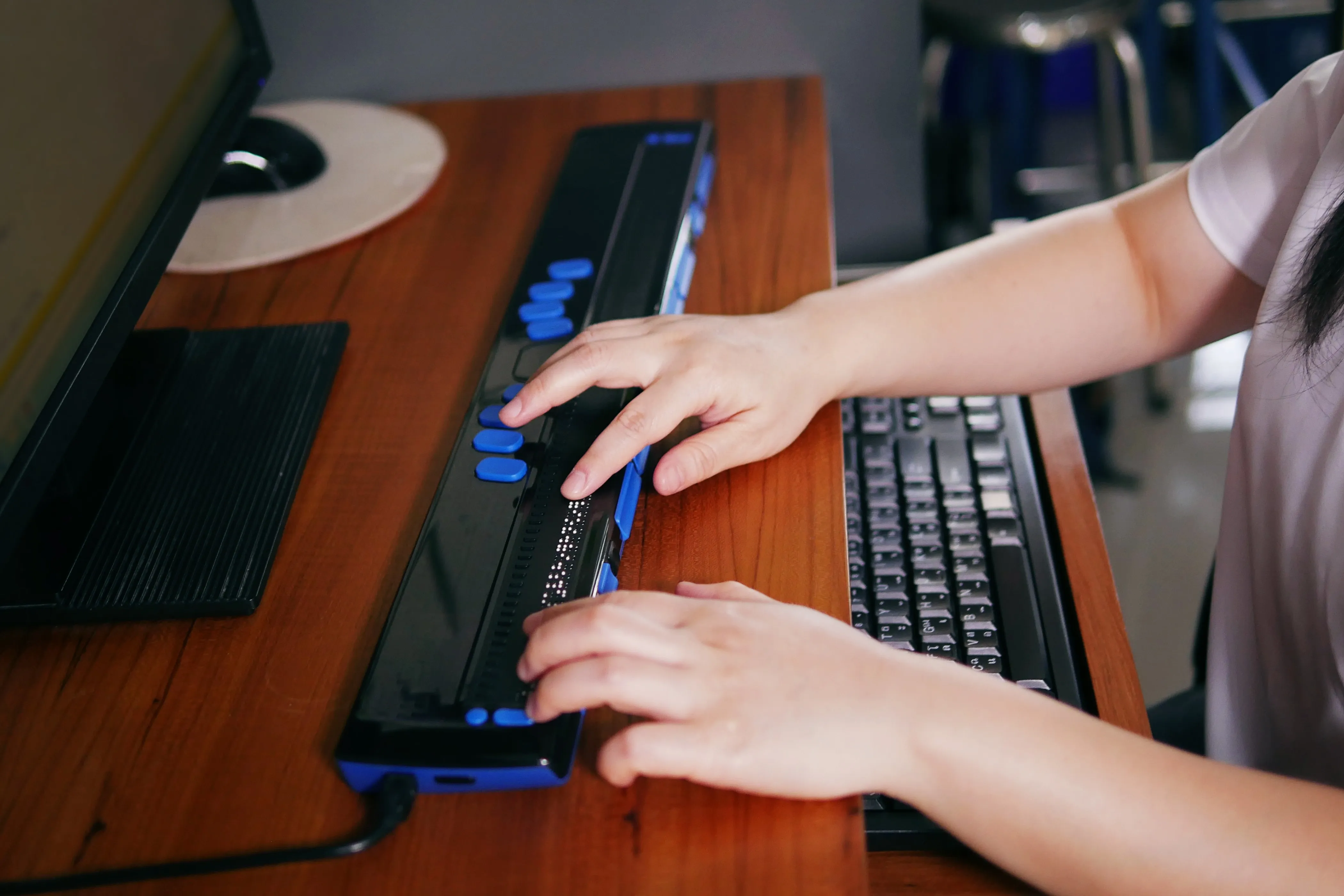
Category Overview
Assistive technology spans products that help people communicate, interact with their environment, manage daily tasks and use technology more independently. In Canada, purchasing decisions can involve end users, families, clinicians, occupational therapists, rehabilitation teams, schools, specialty retailers and organizations responsible for accessibility.
Inclusia Brands evaluates manufacturers whose products solve a clear functional problem and can be explained easily to both professional and consumer buyers. Products are more likely to gain traction when the benefit is immediately understandable, training requirements are practical, documentation is strong and the manufacturer can support a Canadian go-to-market plan rather than simply ship product across the border.
For international brands, local inventory, product education and channel selection matter because assistive technology can move through very different buying paths depending on whether the user is purchasing privately, through a clinician, through education or with support from a funding program.
Solutions Within This Market
Inclusia Brands is interested in assistive technologies that improve communication, access, independence and everyday participation without forcing every product into a traditional medical channel. The strongest candidates can serve a defined Canadian buyer, support practical onboarding and maintain enough product clarity that clinicians, educators, families and end users understand when the technology is appropriate.
- Communication aids — tools that support expression, comprehension or interaction
- Accessible electronics — devices designed around easier control and use
- Environmental controls — products that simplify interaction with home environments
- Daily-living technology — practical tools for recurring household activities
- Cognitive support tools — products supporting routines, prompts and task completion
- Accessible computer accessories — alternative input, control or navigation products
- Learning access tools — technology supporting participation in education settings
- Remote support products — tools that assist independence while maintaining connection
Canadian Market Signals
The scale of the Canadian opportunity is documented, not assumed. Statistics Canada's 2022 Canadian Survey on Disability found that 27% of Canadians aged 15 and older — 8.0 million people — live with one or more disabilities that limit their daily activities. Within that population, 22.7% report unmet needs for assistive aids or devices, and barriers related to communication affect 48% of people with disabilities.
For assistive-technology manufacturers, those numbers describe a market where demand is real but access is uneven. Product availability, local support and clear education are frequently the difference between an unmet need and a purchase — which is precisely where a Canadian operating partner changes outcomes.
Canada is not one uniform assistive-technology market. Product access can vary by province, buyer type and whether a purchase is private, clinically recommended, school-supported or connected to a funding program. Some provinces operate formal assistive-device programs for certain device categories. Manufacturers also need to account for geography, the value of domestic inventory and French-language requirements in Quebec.
Sources: Statistics Canada, Canadian Survey on Disability, 2022 · Statistics Canada, Unmet Needs for Disability Supports, 2022 · Statistics Canada, Barriers to Accessibility, 2022
How This Category Is Bought in Canada
Assistive technology reaches Canadian users through several distinct paths, and the same product can travel more than one. An occupational therapist may identify a communication or daily-living barrier during an assessment; a school team may evaluate a tool for classroom participation; a family may discover a product through their own research and buy it directly.
The recommender and the purchaser are often different people. Clinicians and educators influence trust and appropriateness, while the transaction may happen through ecommerce, a specialty retailer or an institutional purchase. Product information therefore has to work at two levels: practical enough for end users and families, and precise enough for professionals asked to recommend or justify a device.
Funding shapes timing. Where a purchase connects to a provincial device program, education plan or insurance claim, documentation and eligibility can determine when — and whether — a purchase happens. Products bought privately move faster but depend more heavily on clear education, domestic availability and dependable support.
Assistive technology can require a blended Canadian channel strategy because professional recommendation and self-directed purchasing often overlap. Local support can be as important as product availability.
- Clinical — Clinicians and care teams can influence product selection when function, safety or assessment matters.
- Rehabilitation — Occupational therapists and physiotherapists frequently identify barriers and recommend practical tools for daily use.
- Education — Schools and school boards may evaluate products that support communication, learning access or classroom participation.
- Ecommerce — Clear education, domestic fulfilment and accessible product information help users and families research and purchase directly.
- Specialty retail — Accessibility, mobility and home-health retailers can provide local discovery, explanation and customer support.
Manufacturer Readiness for Canada
What Matters in Adaptive Footwear Distribution
Inclusia Brands looks for assistive-technology manufacturers that are prepared to build a Canadian market deliberately.
- The product addresses a specific accessibility or independence need that can be explained clearly.
- The manufacturer can provide dependable product documentation, training materials and post-sale support.
- The product is differentiated enough to justify local education and channel development.
- The company is prepared to support Canadian inventory rather than rely indefinitely on cross-border fulfilment.
- The team understands that regulatory, language and channel requirements may differ from its home market.
If that profile fits your company, use the partnership inquiry to introduce the product and your Canadian objectives.
Canadian Market Insights
Common questions from manufacturers.
Do assistive technology products need clinical endorsement to sell in Canada?
Is assistive technology publicly funded in Canada?
Can we serve Canada from a US warehouse instead of holding Canadian inventory?
Looking for Adaptive Footwear in Canada?
Explore BILLY Footwear's Canadian range, sizing and current availability.
Have a Complementary Adaptive Product?
Inclusia evaluates selected adaptive, accessibility, rehabilitation and inclusive-living products outside footwear for Canadian distribution partnerships.
Building in this category?
Tell us about your product and we'll determine whether there may be a fit with the Inclusia portfolio and Canadian market.