Pediatric Adaptive Products Distribution in Canada
A decade in Canadian pediatric adaptive commerce gives Inclusia Brands direct insight into how families, clinicians and retailers buy.
Category Overview
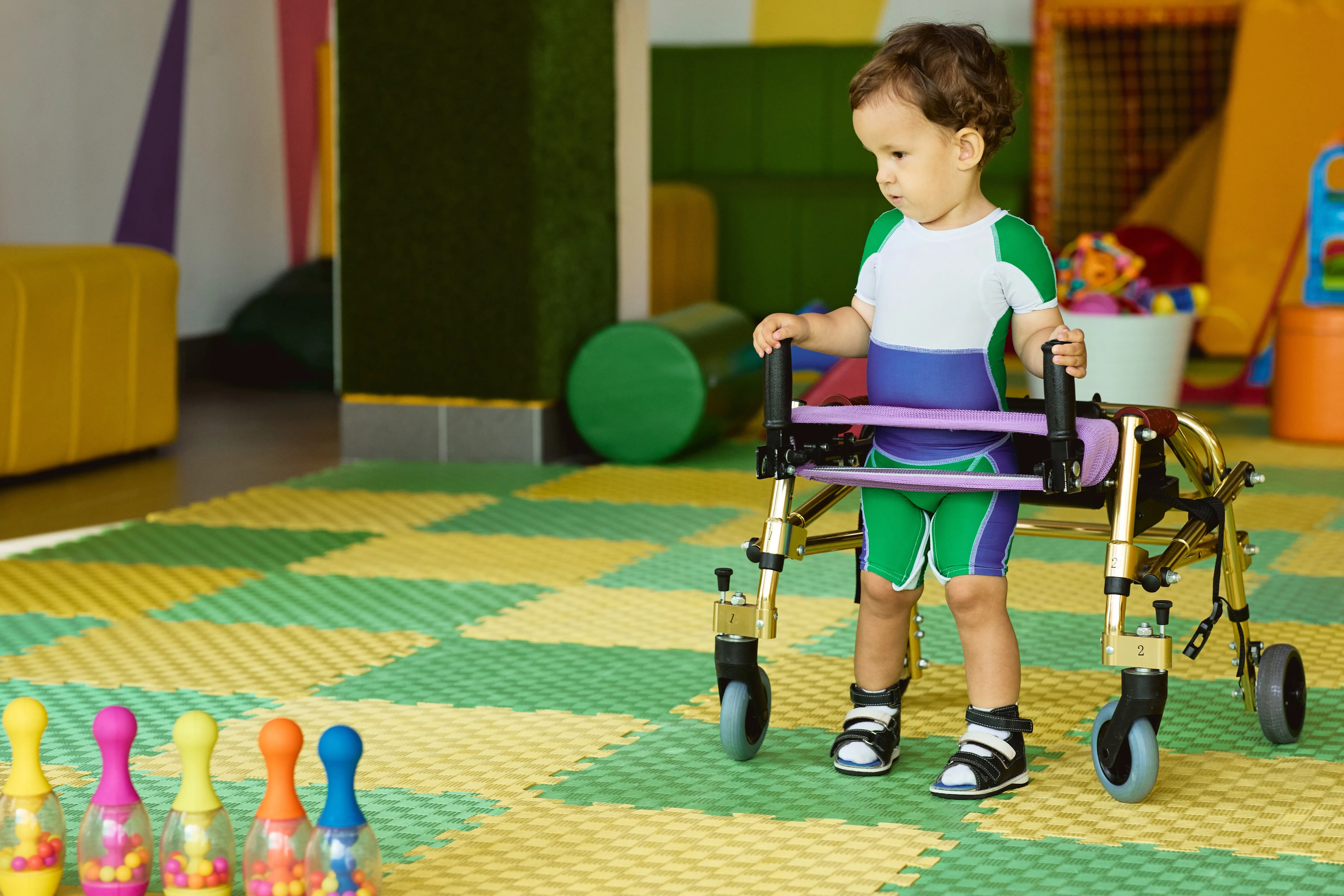
Pediatric adaptive products are purchased through a network of families, therapists, clinics, schools, specialty retailers and community programs rather than through a single channel. The buying decision is often highly practical: the product must fit the child's routine, be understandable to caregivers and professionals, and justify the additional effort of introducing something new.
Inclusia Brands brings more than a decade of Canadian pediatric adaptive commerce experience through specialized footwear, giving the team direct exposure to how families and clinicians evaluate function, fit, usability, product education and ongoing support. That experience informs how Inclusia approaches complementary pediatric categories.
Manufacturers entering Canada should be prepared for professional influence, family-led research and differences in school, therapy and funding pathways across provinces. Products that are easy to demonstrate and support are better positioned for adoption.
Solutions Within This Market
Inclusia Brands is interested in complementary pediatric products that support participation, therapy, daily routines and family life while leaving footwear exclusively with BILLY. Strong candidates should also be easy for families and professionals to understand, supported by practical instructions and suitable for the environments in which children actually use them throughout the day.
- Adaptive feeding products — easier-use tools for meals and drinking
- Therapy and movement tools — products supporting guided developmental activities
- Sensory-support products — tools used for regulation, comfort or participation
- Daily-living aids — products simplifying dressing, hygiene and home routines
- Accessible school products — tools supporting participation in learning environments
- Positioning accessories — products supporting practical seated or activity routines
- Communication-support tools — products helping children express needs and choices
- Caregiver-assist products — practical tools reducing friction in recurring tasks
Canadian Market Signals
Pediatric demand signals in Canada are concrete. The Public Health Agency of Canada reports that about 1 in 50 children and youth aged 1 to 17 have been diagnosed with autism. Statistics Canada's 2022 survey found the disability rate among youth aged 15 to 24 reached 20%, up seven percentage points from 2017 — the largest increase of any age group.
Family purchasing is complemented by structured funding in some provinces: Ontario's Assistive Devices Program, for example, helps pay for defined device categories including communication aids, typically covering up to 75% of the approved price. Where a product connects to a funded category or therapy goal, professional documentation becomes part of the purchase.
A parent may discover a product online while an occupational therapist, speech-language pathologist or educator determines whether it is appropriate. Provincial program differences mean a strategy that works in one part of Canada may need adjustment elsewhere — which is why education for both families and professionals matters unusually much in this category.
Sources: Public Health Agency of Canada, Canada's Autism Strategy · Statistics Canada, Profile of Persons with Disabilities, 2022 · Ontario Assistive Devices Program
How This Category Is Bought in Canada
Pediatric adaptive purchases in Canada rarely follow a straight line. Discovery often starts with a parent's research or another family's recommendation; validation runs through therapists, clinicians or school teams; and the purchase completes wherever trust and availability meet — ecommerce, a specialty retailer or through a clinic or program.
The professional layer is decisive even when it isn't the payer. An occupational therapist or speech-language pathologist confirming that a product suits a child's needs materially changes conversion, and in funded scenarios that confirmation can be a formal requirement rather than a courtesy.
School settings add a third path with their own evaluation logic, timelines and accountability. Manufacturers that prepare distinct, honest materials for families, professionals and educators — instead of one consumer message for all three — consistently find the Canadian market easier to build.
Pediatric adaptive products often require several Canadian channels working together because discovery, recommendation and purchase may happen in different places.
- Rehabilitation — Occupational therapists, physiotherapists and other therapy professionals can evaluate functional fit and introduce products to families.
- Education — Schools and school boards may consider products that support access, participation, communication or classroom routines.
- Clinical — Pediatric clinics and care teams can influence selection when products connect to therapy or daily function.
- Ecommerce — Parents and caregivers research deeply online and value practical education, domestic inventory and straightforward returns.
- Specialty retail — Adaptive and pediatric retailers provide trusted discovery for families looking beyond mainstream products.
Manufacturer Readiness for Canada
What Matters in Adaptive Footwear Distribution
Inclusia Brands looks for pediatric adaptive manufacturers that understand the responsibility of serving both families and professionals.
- The product addresses a clear daily-living, therapy, participation or accessibility need.
- Instructions are understandable to caregivers and sufficiently detailed for professional evaluation.
- The design accounts for safety, durability and the realities of repeated family use.
- The manufacturer is prepared to support education rather than depend on product imagery alone.
- The product complements, rather than competes with, Inclusia's exclusive BILLY footwear focus.
Use the partnership inquiry to share the product, current markets and the Canadian audience you believe it can serve.
Canadian Market Insights
Common questions from manufacturers.
Who actually decides on pediatric adaptive purchases — parents or professionals?
Is there public funding for pediatric adaptive products in Canada?
What do Canadian buyers scrutinize most in pediatric adaptive products?
Looking for Adaptive Footwear in Canada?
Explore BILLY Footwear's Canadian range, sizing and current availability.
Have a Complementary Adaptive Product?
Inclusia evaluates selected adaptive, accessibility, rehabilitation and inclusive-living products outside footwear for Canadian distribution partnerships.
Building in this category?
Tell us about your product and we'll determine whether there may be a fit with the Inclusia portfolio and Canadian market.