Rehabilitation Products Distribution in Canada
Inclusia Brands partners with rehabilitation product manufacturers to reach Canadian clinics, therapists and consumers.
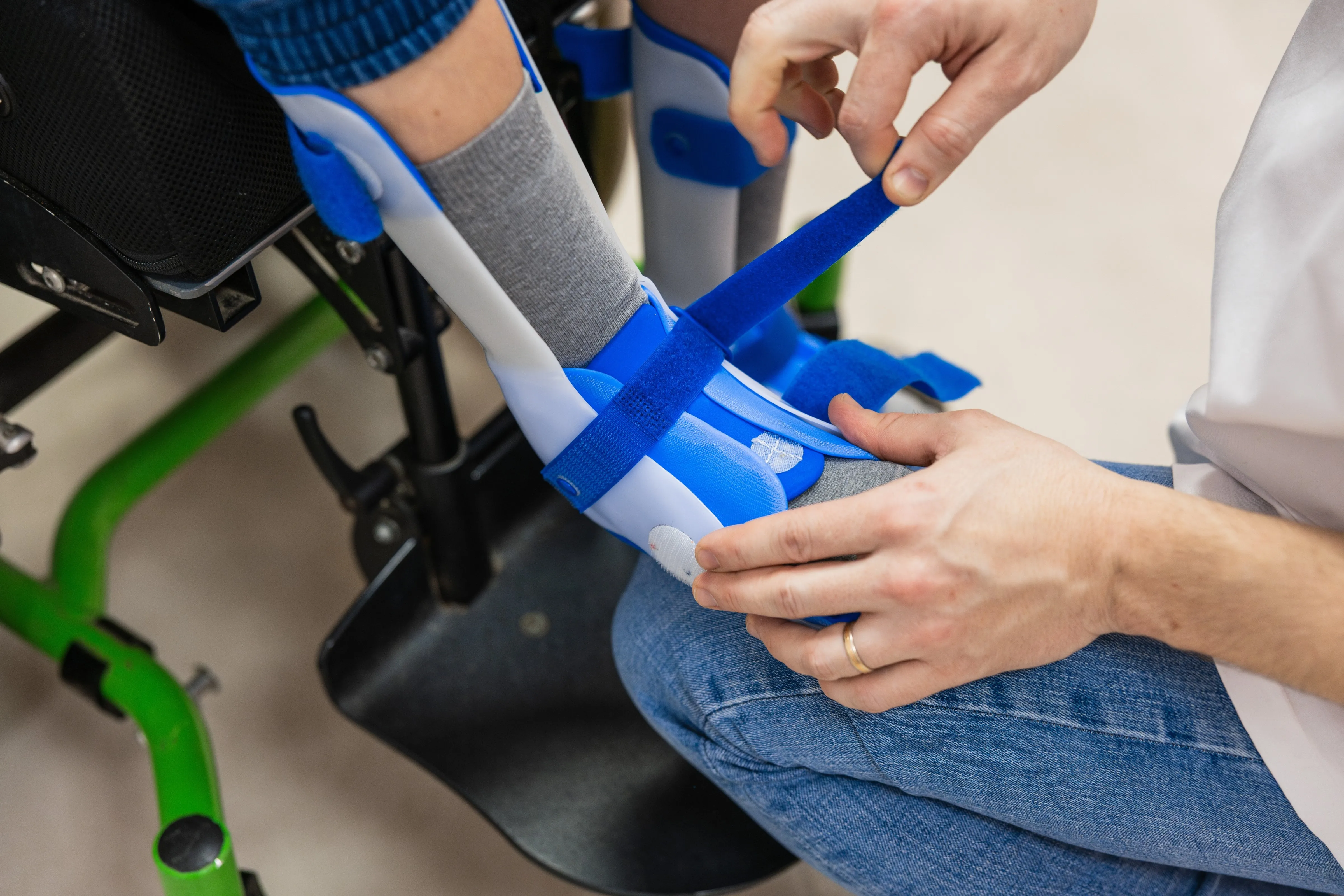
Category Overview
Rehabilitation products sit at the intersection of professional recommendation and continued use outside the clinic. Canadian buyers can include physiotherapists, occupational therapists, rehabilitation teams, clinics, hospitals, home-care providers and consumers continuing a therapy or recovery program at home.
Inclusia Brands evaluates products that make a therapist's job easier, improve adherence outside appointments or solve a practical recovery, movement or daily-living problem. Clinical credibility matters, but so do ease of explanation, durability, training, replenishment and a purchasing path that does not create unnecessary friction for the clinic or end user.
International manufacturers should also distinguish between products that need professional evaluation and those that can be purchased directly after recommendation. That distinction affects channel selection, education, regulatory review, inventory planning and how the Canadian launch should be structured.
Solutions Within This Market
Inclusia Brands is interested in rehabilitation products that can earn trust with professionals while remaining practical for Canadian clinics, home programs and consumers. Priority is given to products with a defined rehabilitation use case, practical professional education and a credible path from clinician awareness to continued use in Canadian homes, clinics or community settings.
- Therapeutic exercise products — tools supporting strength, mobility and movement practice
- Home-recovery products — equipment designed for continued use between appointments
- Occupational therapy tools — products supporting functional daily-living goals
- Movement and balance aids — products used in guided rehabilitation programs
- Positioning and support products — practical aids for comfort and function
- Recovery accessories — complementary products used during rehabilitation routines
- Clinic-use therapy tools — durable products suited to repeated professional use
- Patient education products — tools that reinforce prescribed home activities
Canadian Market Signals
Rehabilitation demand in Canada is broad and measurable. In 2022, 72% of Canadians with disabilities reported experiencing at least one of 27 types of accessibility barriers, and 10.9% of Canadians aged 15 and over — about 3.2 million people — reported a flexibility disability. Among people with disabilities, physiotherapy, massage therapy or chiropractic treatment was the most commonly reported unmet health-service need at 28.7%.
Unmet therapy need matters commercially: when access to professional treatment is constrained, well-designed home-program and recovery products carry more of the rehabilitation workload — provided clinicians trust them and consumers can actually obtain them in Canada.
Procurement expectations differ between a hospital department, an independent physiotherapy clinic and a person continuing therapy at home, so a single sales approach rarely fits every channel. Local inventory materially improves adoption for products used during recovery, because clinicians and consumers need dependable availability once a product is recommended.
Sources: Statistics Canada, Accessibility in Canada, 2022 · Statistics Canada, Unmet Needs for Disability Supports, 2022 · Statistics Canada, Flexibility Disabilities, 2022
How This Category Is Bought in Canada
Rehabilitation purchasing in Canada usually starts with a professional and finishes somewhere else. A physiotherapist or occupational therapist introduces a product during treatment; the patient then continues use at home, and the purchase may happen through the clinic, a specialty retailer or ecommerce, depending on the product and the setting.
Private clinics, public rehabilitation departments and home users evaluate differently. A hospital department may need procurement review and dependable supply; an independent clinic may adopt quickly on professional judgment; a person mid-recovery simply needs the recommended product available now, with instructions that make sense without a clinician in the room.
Insurance and provincial structures influence some purchases, while many recovery products are bought privately. The consistent requirement across every path is availability: a recommendation converts into a purchase only when the product is dependably in stock in Canada with support behind it.
Rehabilitation products perform best when distribution follows the professional and consumer journey rather than treating every buyer the same. Availability should remain dependable after a professional recommends the product.
- Rehabilitation — Physiotherapists and occupational therapists recommend, demonstrate and often influence continued use outside the clinic.
- Clinical — Hospitals and private clinics may require evaluation, procurement review and dependable local supply.
- Ecommerce — Consumers often research recommended products and continue therapy at home, making education and domestic fulfilment important.
- Specialty retail — Home-health and mobility retailers can extend availability beyond the clinic and support product explanation.
- Home-care agencies — Providers working in the home can identify practical needs that are not visible in clinic-based care.
Manufacturer Readiness for Canada
What Matters in Adaptive Footwear Distribution
Inclusia Brands looks for rehabilitation manufacturers that understand both professional credibility and commercial execution.
- The product solves a defined rehabilitation, recovery or functional problem.
- Clinical use instructions and product claims are clear, supportable and appropriate for Canada.
- The manufacturer can train Canadian sales, clinic and customer-support teams effectively.
- The product can be supplied consistently enough for professional recommendation to translate into purchase.
- The company is willing to adapt its channel strategy rather than assume its home-market model transfers directly.
Manufacturers seeking a Canadian rehabilitation partner can introduce their product through the partnership inquiry.
Canadian Market Insights
Common questions from manufacturers.
Do rehabilitation products sell to clinics or to consumers in Canada?
Do rehabilitation products require regulatory approval in Canada?
How different is selling into public healthcare versus private clinics?
Looking for Adaptive Footwear in Canada?
Explore BILLY Footwear's Canadian range, sizing and current availability.
Have a Complementary Adaptive Product?
Inclusia evaluates selected adaptive, accessibility, rehabilitation and inclusive-living products outside footwear for Canadian distribution partnerships.
Building in this category?
Tell us about your product and we'll determine whether there may be a fit with the Inclusia portfolio and Canadian market.