Orthopedic & Clinical Products in Canada
Inclusia Brands selectively considers orthopedic and clinical products that align with existing channel expertise. Regulatory and licensing requirements are evaluated as part of each potential partnership.
Category Overview
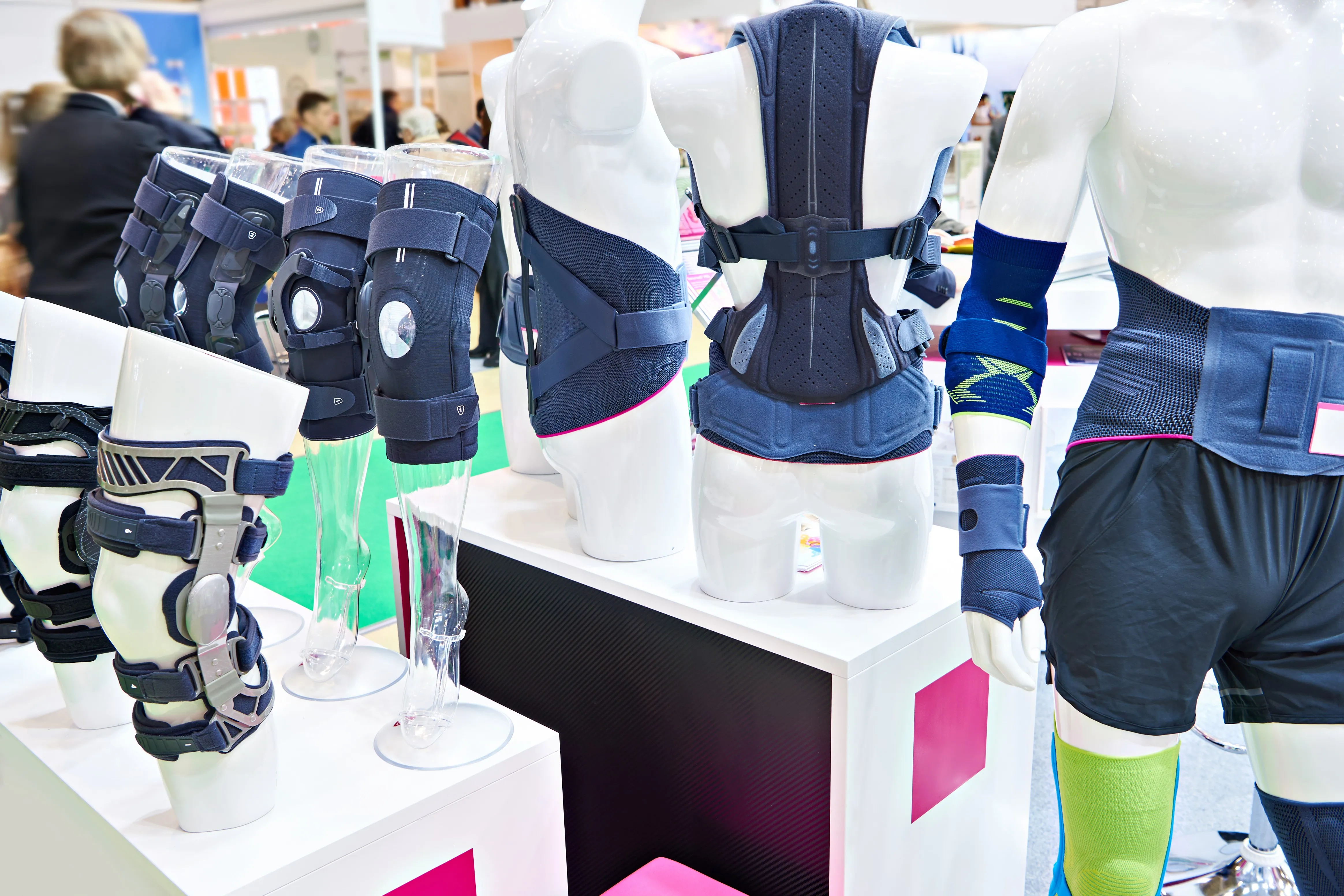
Orthopedic and clinical products are a selective extension of Inclusia Brands' existing relationships with rehabilitation, orthotic and adaptive-product communities. This is not positioned as a broad medical catalogue. Inclusia evaluates complementary products where the use case, buyer, channel and support requirements fit the company's Canadian market expertise.
Potential buyers can include clinics, rehabilitation professionals, orthotic and prosthetic providers, specialty retailers and consumers purchasing after professional recommendation. Products in this space often require more technical education and more disciplined claims than general consumer products, making manufacturer readiness especially important.
Regulatory and licensing requirements are evaluated as part of each potential Canadian distribution partnership. Manufacturers should be prepared to provide product classification, claims, documentation and existing regulatory information early so that commercial interest is not confused with regulatory readiness.
Solutions Within This Market
Inclusia Brands selectively considers orthopedic and clinical products that complement existing adaptive and rehabilitation channels without turning the portfolio into a general medical-supply business. Priority is given to products with disciplined claims, clear documentation and a realistic place within Canadian clinical or rehabilitation workflows, rather than products that depend on broad catalogue distribution without specialist local support.
- Orthotic-support accessories — complementary products used alongside established care pathways
- Bracing accessories — non-footwear products supporting fit, comfort or use
- Positioning products — aids supporting posture, comfort or functional activity
- Pressure-management accessories — products addressing defined comfort or support needs
- Clinical daily-living aids — practical products recommended through care settings
- Rehabilitation support products — tools extending professional programs into daily use
- Patient-use accessories — complementary products purchased after clinical recommendation
Canadian Market Signals
Structured funding is a defining feature of this category in Canada. Ontario's Assistive Devices Program, one provincial example, funds roughly 8,000 devices across 19 categories — including mobility aids, communication aids and custom orthotic braces — typically covering up to 75% of the approved price. Other provinces operate their own programs with different structures and eligibility.
Underlying demand is equally documented: 27% of Canadians aged 15 and over — 8.0 million people — live with at least one disability, and 22.7% of people with disabilities report unmet needs for assistive aids or devices. Where funding pathways exist, the constraint is often navigation and availability rather than demand.
Medical-Device Readiness for Canada
Orthopedic and clinical products can span regulated and non-regulated categories. Where a product meets Canada's definition of a medical device, manufacturers need to understand its Canadian classification, device-licensing requirements and the establishment structure used for import and distribution.
Class I medical devices do not use the same device-level MDL requirement as Classes II–IV, but establishment-level requirements can still apply depending on the manufacturer/importer/distributor structure and applicable exemptions. Manufacturers of Class II, III and IV medical devices generally require the applicable Medical Device Licence (MDL) for the device before import or sale in Canada. Importers and distributors generally require an active Medical Device Establishment Licence (MDEL) for medical-device activities, subject to applicable exemptions.
Regulatory and licensing requirements are evaluated as part of each potential Canadian distribution partnership. Understand MDEL vs. MDL in Canadian distribution.
Sources: Ontario Assistive Devices Program · Statistics Canada, Unmet Needs for Disability Supports, 2022 · Statistics Canada, Canadian Survey on Disability, 2022 · Health Canada, Guidance on medical device establishment licensing (GUI-0016)
How This Category Is Bought in Canada
Orthopedic and clinical purchases in Canada run through professional gatekeepers more than any other adaptive category. A physician, physiotherapist, occupational therapist or orthotist typically identifies the need, and their assessment often determines both the product type and — where funding applies — eligibility.
The dispensing layer matters commercially: orthotic and prosthetic providers, clinics and authorized vendors frequently complete the transaction, which means a manufacturer's real customer is often the provider, not the end user. Provider economics, training burden, documentation quality and supply reliability decide whether a product gets recommended twice.
Funded purchases follow program logic — authorized assessors, approved vendors, defined price structures and paperwork — while private purchases move faster on professional trust. Both paths reward manufacturers with disciplined claims and punish those whose commercial ambition runs ahead of their regulatory and clinical documentation.
Orthopedic and clinical products require channels where professional credibility, product education and reliable Canadian supply can be maintained. Technical support may be necessary before purchase and after local delivery.
- Clinical — Clinics and healthcare settings may evaluate products through professional review and procurement processes.
- Orthotic & prosthetic providers — Providers are relevant when products complement orthotic, bracing or mobility-related care.
- Rehabilitation — Physiotherapists and occupational therapists can influence selection when products support function or recovery.
- Specialty retail — Home-health and clinical retailers can provide local availability for appropriate non-institutional products.
- Ecommerce — Selected products may be suitable for direct purchase when education and regulatory requirements permit.
Manufacturer Readiness for Canada
What Matters in Adaptive Footwear Distribution
Inclusia Brands approaches orthopedic and clinical partnerships selectively because channel fit and regulatory readiness must be clear.
- The product complements adaptive, rehabilitation or orthotic channels already relevant to Inclusia.
- The manufacturer can provide accurate product classification, claims and supporting documentation.
- Training requirements are practical for Canadian sales, clinical and customer-support teams.
- The company is prepared to address Canadian regulatory and language obligations before launch.
- The product has a defined buyer and is not dependent on a broad medical-catalogue strategy.
Manufacturers with a complementary product can use the partnership inquiry to begin an initial fit review.
Canadian Market Insights
Common questions from manufacturers.
What is the difference between an MDEL and an MDL in Canada?
Is provincial device funding relevant to orthopedic and clinical products?
Does Inclusia consider orthopedic footwear brands?
Looking for Adaptive Footwear in Canada?
Explore BILLY Footwear's Canadian range, sizing and current availability.
Have a Complementary Adaptive Product?
Inclusia evaluates selected adaptive, accessibility, rehabilitation and inclusive-living products outside footwear for Canadian distribution partnerships.
Building in this category?
Tell us about your product and we'll determine whether there may be a fit with the Inclusia portfolio and Canadian market.