Adaptive Apparel & Daily Living Distribution in Canada
Inclusia Brands works with adaptive apparel and daily-living brands to launch and grow in Canada.
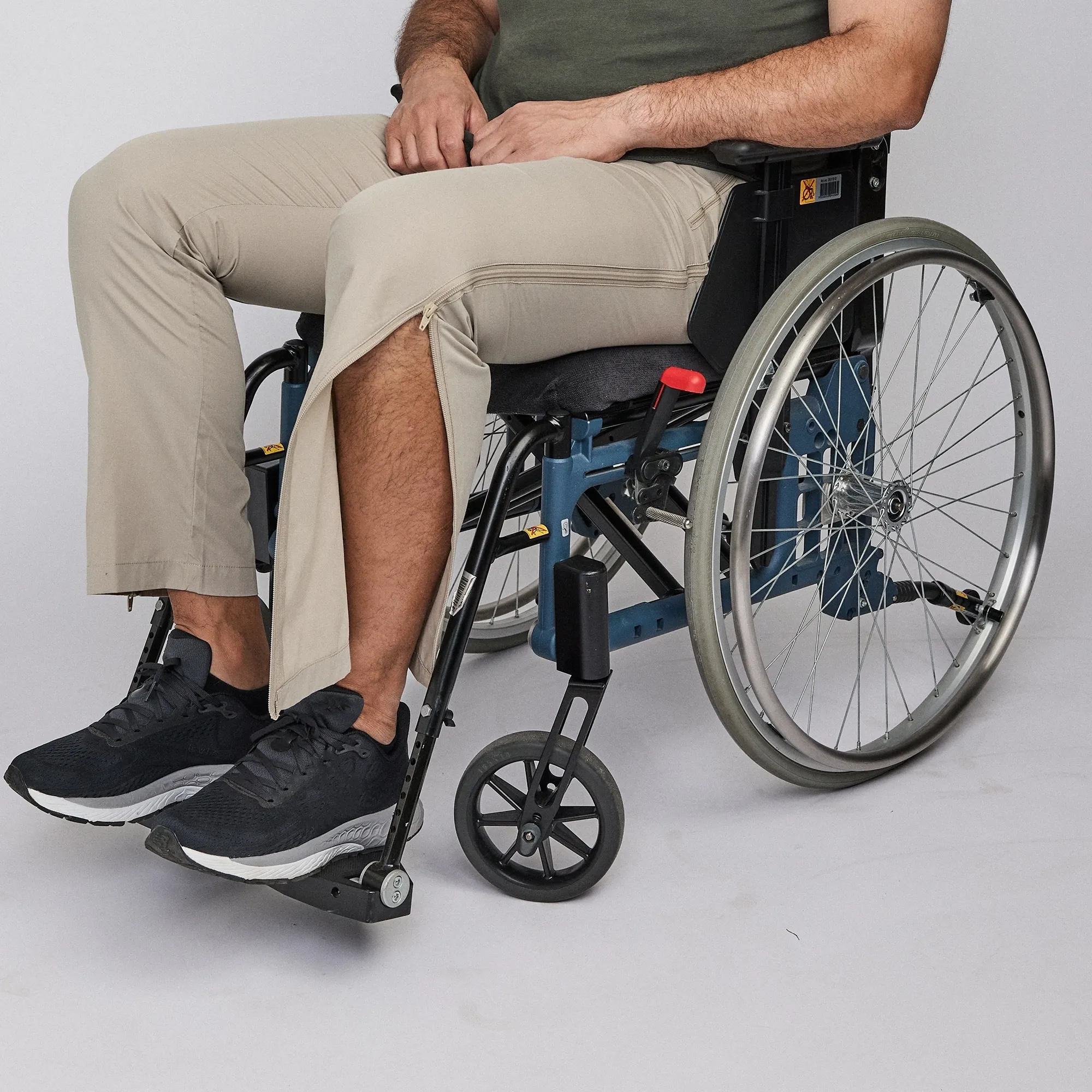
Category Overview
Adaptive apparel and daily-living products reduce friction around dressing, personal care and routine activities for people who may have limited dexterity, mobility, range of motion or changing support needs. Canadian buyers can include individuals, families, caregivers, occupational therapists, specialty retailers and organizations serving people with disabilities or older adults.
Inclusia Brands evaluates products where the adaptive feature is genuinely useful and the underlying consumer experience still feels considered. Function alone is not enough: fit, appearance, fabric, durability, washability, sizing clarity, packaging and ease of explanation all affect whether an adaptive product becomes part of someone's regular routine.
International manufacturers also need to plan for the realities of Canadian ecommerce and retail, including returns, sizing questions, seasonal needs and French-language considerations in Quebec. Products that require extensive explanation need stronger education than conventional apparel or household goods.
Solutions Within This Market
Inclusia Brands is interested in adaptive apparel and daily-living products that make routine tasks easier while remaining attractive, practical and respectful of the user. Strong candidates should combine useful design with consumer-quality presentation, clear sizing or use guidance and a practical Canadian fulfilment model that supports confidence before and after purchase.
- Easy-dressing apparel — garments designed for simpler dressing routines
- Magnetic and alternative closures — easier fastening for reduced dexterity
- Seated-wear designs — apparel developed around seated comfort and access
- Adaptive outerwear — functional clothing addressing seasonal dressing challenges
- Dexterity-friendly accessories — products requiring less grip or fine-motor control
- Personal-care aids — easier-use tools for grooming and hygiene routines
- Dressing accessories — products supporting independent or assisted dressing
- Accessible household products — everyday items redesigned for easier handling
Canadian Market Signals
The functional need this category serves is measurable. Statistics Canada reports that 10.9% of Canadians aged 15 and over — about 3.2 million people — have a flexibility disability and 5.0% have a dexterity disability, both of which directly affect dressing, fastening and everyday handling. Across all Canadians 15 and over, 27% — 8.0 million people — live with at least one disability.
Among people with flexibility disabilities, 68% already use mobility-related aids such as canes, walkers or grasping tools — evidence of a population actively adopting practical products that reduce daily friction, of which easier-dressing apparel is a natural extension.
Buyers often need to understand exactly how an adaptive feature works and whether returns will be manageable if fit is wrong. Canadian seasonality shapes assortment — outerwear and dressing needs differ significantly across the year — and Quebec introduces French-language considerations across product information, packaging and instructions.
Sources: Statistics Canada, Flexibility Disabilities, 2022 · Statistics Canada, Profile of Persons with Disabilities, 2022 · Statistics Canada, Canadian Survey on Disability, 2022
How This Category Is Bought in Canada
Adaptive apparel and daily-living products are bought mostly like consumer goods — with an extra layer of scrutiny. Shoppers include people buying for themselves, family members and caregivers buying for someone else, and occasionally organizations purchasing for clients. Each needs to understand precisely how the adaptive feature works before committing.
Discovery is heavily online and community-driven: adaptive fashion has active peer networks where recommendations travel fast, and caregivers exchange practical guidance about what actually holds up through daily use and repeated washing. Occupational therapists and home-care providers surface needs — particularly around dressing and dexterity — even when the purchase happens elsewhere.
Conversion hinges on confidence mechanics: detailed sizing against real bodies and seated postures, honest photography of closures and features, washable-durability information and a returns process that doesn't punish a wrong guess. Seasonal timing matters more than in milder markets — Canadian winters make outerwear and layered dressing a planning category of its own.
Adaptive apparel and daily-living products benefit from channels that combine direct consumer discovery with trusted referral. Fit education and returns support are especially important.
- Ecommerce — Detailed fit guidance, product demonstrations and domestic returns are central to converting adaptive consumers online.
- Direct to consumer — Brand education can reach individuals and families whose needs are underserved by mainstream retail.
- Specialty retail — Adaptive, mobility and home-health retailers can explain functional features and broaden local discovery.
- Rehabilitation — Occupational therapists may identify dressing or dexterity barriers and recommend practical products for daily routines.
- Home-care agencies — Care providers can influence product choice when dressing and personal care require recurring assistance.
Manufacturer Readiness for Canada
What Matters in Adaptive Footwear Distribution
Inclusia Brands looks for adaptive apparel and daily-living manufacturers where function and consumer experience are equally credible.
- The adaptive feature solves a clear dressing, dexterity or routine problem.
- Sizing, instructions and product demonstrations are straightforward enough to reduce avoidable returns.
- Materials, construction and care requirements support repeated everyday use.
- The brand presents disability and aging respectfully rather than relying on clinical or stereotyped imagery.
- The manufacturer is prepared to localize packaging, support and assortment for Canada.
Use the partnership inquiry to introduce your product and explain where it fits within the broader adaptive portfolio.
Canadian Market Insights
Common questions from manufacturers.
What's the biggest operational difference selling adaptive apparel in Canada?
Should adaptive apparel be marketed as fashion or as functional clothing?
Do therapists or care providers play a role in adaptive apparel purchases?
Looking for Adaptive Footwear in Canada?
Explore BILLY Footwear's Canadian range, sizing and current availability.
Have a Complementary Adaptive Product?
Inclusia evaluates selected adaptive, accessibility, rehabilitation and inclusive-living products outside footwear for Canadian distribution partnerships.
Building in this category?
Tell us about your product and we'll determine whether there may be a fit with the Inclusia portfolio and Canadian market.